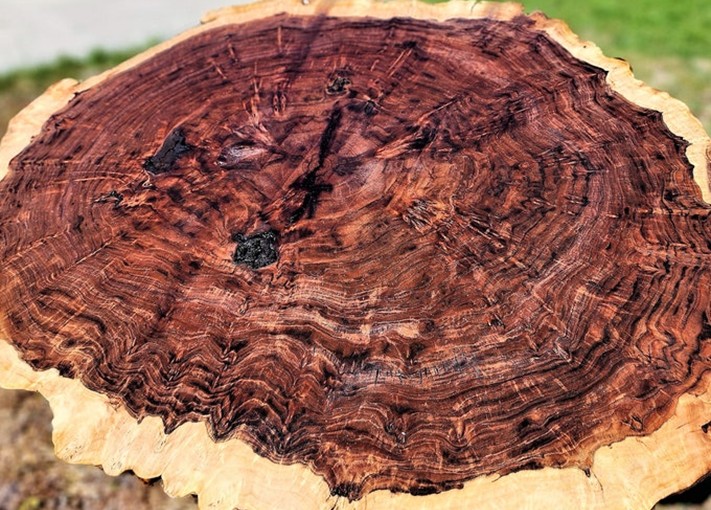
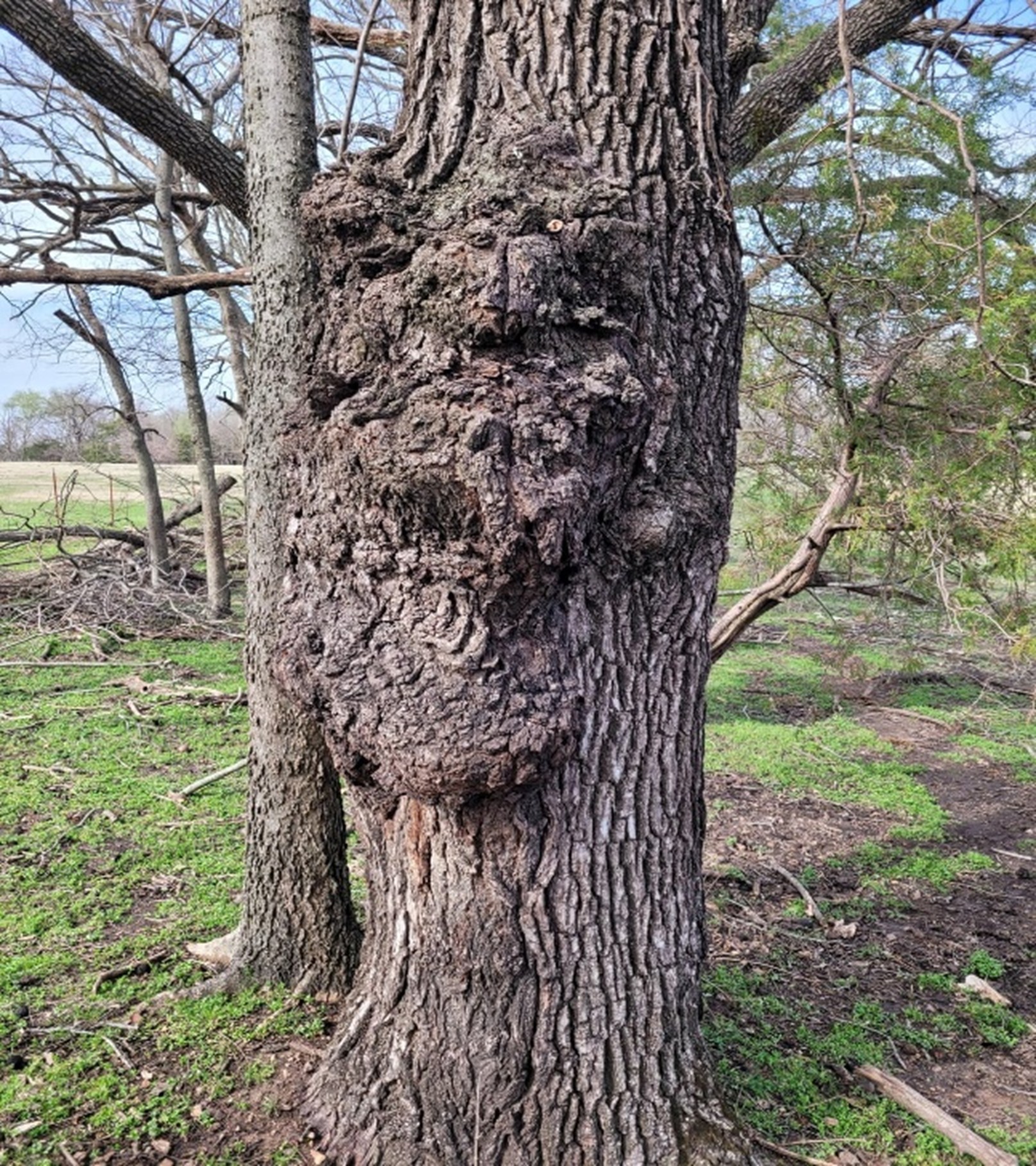
Burl wood is one of the most technically fascinating materials a sawmill can encounter. Unlike straight-grained lumber, a burl forms when a tree undergoes a biological disruption—often from stress, injury, fungus, or genetic mutation. Instead of growing in predictable vertical fibers, the tree produces dense, interlocked grain that twists in every direction. This chaotic cellular structure is what gives burl its signature “eyes,” swirls, and marbled figure.
What Makes Burl Wood So Rare
Burls occur in a very small percentage of hardwood trees. Even when present, many are too small, too cracked, or too unstable to mill. Large, intact burls, especially those suitable for veneer—are exceptionally uncommon. Their rarity is driven by:
- Unpredictable formation
- Slow growth over decades or centuries
- High rate of internal voids or defects
- Limited availability due to responsible harvesting practices
Because veneer production requires wide, clean sheets, only a fraction of all burls ever become commercial-grade veneer.
Why Burl Veneer Is So Valuable
The value of burl veneer comes from both its scarcity and its technical performance. Burl veneer offers:
- High dimensional stability due to its interlocked grain
- Exceptional visual depth that cannot be replicated by straight-grain lumber
- Efficient yield—thin slicing maximizes usable surface area
- Premium applications in fine furniture, automotive interiors, musical instruments, and architectural panels
A single large burl can produce hundreds of square feet of veneer, each sheet carrying a unique grain map.
Sustainable Harvesting and Mill Stewardship
Because burl wood is rare, sustainability is not optional—it’s essential. Responsible mills follow strict guidelines:
- Harvest only from trees already designated for removal, storm-fallen timber, or trees at the end of their natural life
- Avoid cutting live, healthy trees solely for burl extraction
- Document sourcing to maintain forest integrity
- Maximize yield through careful milling, slicing, and drying
This approach ensures that burl remains a renewable, ethically sourced material rather than a depleted resource.
From Forest Anomaly to Functional Art
When burl veneer becomes part of a finished piece, whether a tabletop, cabinet door, or heirloom box carries the natural history of the tree into the home. The swirling grain patterns are not just decorative; they are a record of the tree’s resilience. Burl furniture stands the test of time because the material itself has already endured decades of environmental challenge.
In this way, burl wood represents a harmony between nature and craftsmanship. It transforms a biological irregularity into a functional, lasting work of art.